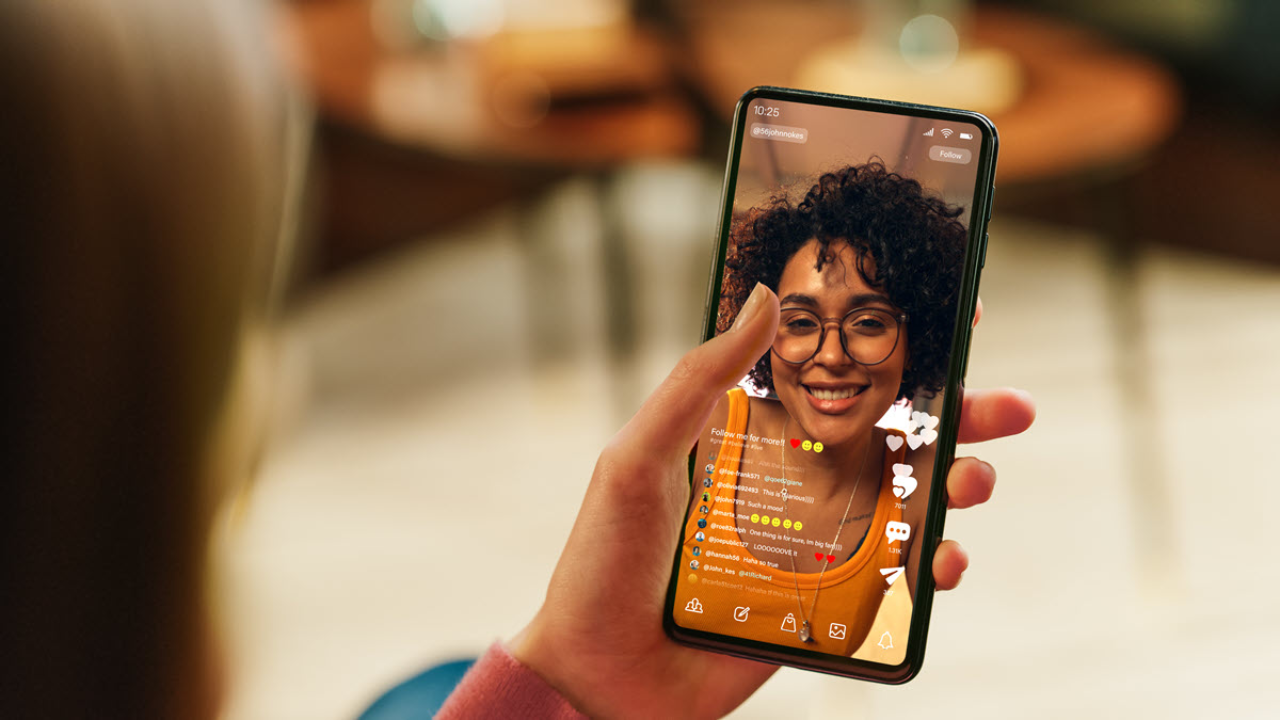
Social media is no longer just a place to scroll through photos, share a meme, or catch up with old friends. In 2025, it has evolved into a central force shaping opinions, economies, politics, and personal identities. At RaterPoint, we have been closely monitoring the shifts and patterns unfolding across all major platforms, and the changes are more significant than ever before.
Social Platforms Are Becoming Ecosystems
Gone are the days when social media apps served just one purpose. Today, platforms like Instagram, TikTok, and YouTube are integrating shopping, job hunting, live broadcasting, AI-generated content, and even educational tools. Social media in 2025 is an ecosystem, not just a network. Users can now buy products, attend live webinars, get verified for job credentials, and even access therapy sessions without leaving their favorite apps. These multi-functional features reflect a broader move toward consolidating digital life under one umbrella.
Rise of Authenticity Over Aesthetics
In the early 2010s, social media was all about perfect filters, curated feeds, and photogenic lifestyles. But users are now craving raw, real, and relatable content. Platforms like BeReal sparked this trend, and even giants like Instagram and TikTok have adapted by promoting less polished content. RaterPoint analysts have found that content featuring everyday moments, flaws, and honest conversations consistently drives higher engagement in 2025.
Algorithm Transparency and User Control
One of the most significant demands from users has been greater transparency. In 2025, social media companies are beginning to give users more control over the content they see. Algorithms are no longer mysterious. Platforms now offer explanations for why certain content appears in your feed and allow users to customize their preferences. At RaterPoint, we’ve observed a growing appreciation for this shift, especially among Gen Z and millennials, who value digital autonomy and clarity.
AI-Powered Content Creation and Moderation
Artificial intelligence has taken center stage in content creation. From AI-generated music to auto-captioning and smart editing tools, creators now have access to technology that enhances their productivity and creativity. At the same time, AI is also playing a critical role in moderating harmful content. Though not flawless, these systems are helping reduce the spread of misinformation and harmful material at a much faster rate than human moderators alone.
Decentralized Platforms and Data Ownership
Privacy concerns have led to a rise in decentralized social media platforms. These platforms allow users to own their data and even profit from it. RaterPoint’s research shows a slow but steady migration to platforms that offer blockchain-backed data security and monetization options for users. While still in the early stages, this trend could redefine the way we think about online privacy and value.
The Blending of Social Media and Reality
One of the most fascinating developments in 2025 is the blending of digital and physical realities. With the help of AR (augmented reality) and VR (virtual reality), users can attend concerts, fashion shows, or networking events in virtual spaces that feel almost real. Social media is no longer confined to a screen. It’s becoming a layered experience that stretches across physical, digital, and virtual environments.
Community-Driven Content Curation
Traditional social media feeds are being replaced by community-curated content hubs. Rather than relying solely on algorithms, users are turning to niche communities for news, entertainment, and support. Whether it’s a group dedicated to sustainable living or a fan club for an indie artist, these spaces offer more relevance and connection than the general feed. RaterPoint highlights this as one of the most user-empowering shifts in recent years.
Increased Accountability for Influencers and Brands
With increased scrutiny from users, influencers and brands are being held to higher standards. Authenticity, transparency in sponsorships, and ethical practices are now expected. Cancel culture has softened but evolved into a more nuanced demand for accountability. Influencers who engage honestly with their followers and brands that align with social values are thriving in 2025.
Short-Form Content Still Dominates, But Depth Is Making a Comeback
While short-form videos remain the go-to format for quick entertainment, there’s a noticeable resurgence in long-form content that provides depth and storytelling. Podcasts, video essays, and educational series are drawing attention from users who crave more meaningful engagement. RaterPoint content trend reports show that this balance of quick and quality is becoming the new norm.
Conclusion: What Lies Ahead
The landscape of social media in 2025 is complex, multi-layered, and more integrated into everyday life than ever before. Platforms are evolving from social tools to lifestyle hubs. Users are demanding—and receiving—more transparency, authenticity, and control. At RaterPoint, we believe that understanding these changes is key to thriving in the digital space.
As these trends continue to evolve, one thing is clear: social media is no longer just an online pastime. It’s a powerful cultural force, and how we use it will continue to shape our world in ways we’re only beginning to understand.
Keep an eye for more latest news & updates on TheRaterPoint!